

By breakfast you have watched a leopard drape itself over an acacia branch. By dinner you are swirling an award-winning Pinotage on a vineyard terrace with mountains glowing pink behind you. Welcome to South Africa, the country that refuses to make you choose.
No other safari destination packs this much variety into a single trip. A South Africa safari can pair world-class Big Five game viewing with golden beaches, dramatic coastal drives, historic wine estates, and one of the most beautiful cities on earth. This guide breaks down exactly how the pieces fit together — where to go for wildlife, when to travel, and how to combine the bush and the coast into one unforgettable journey.
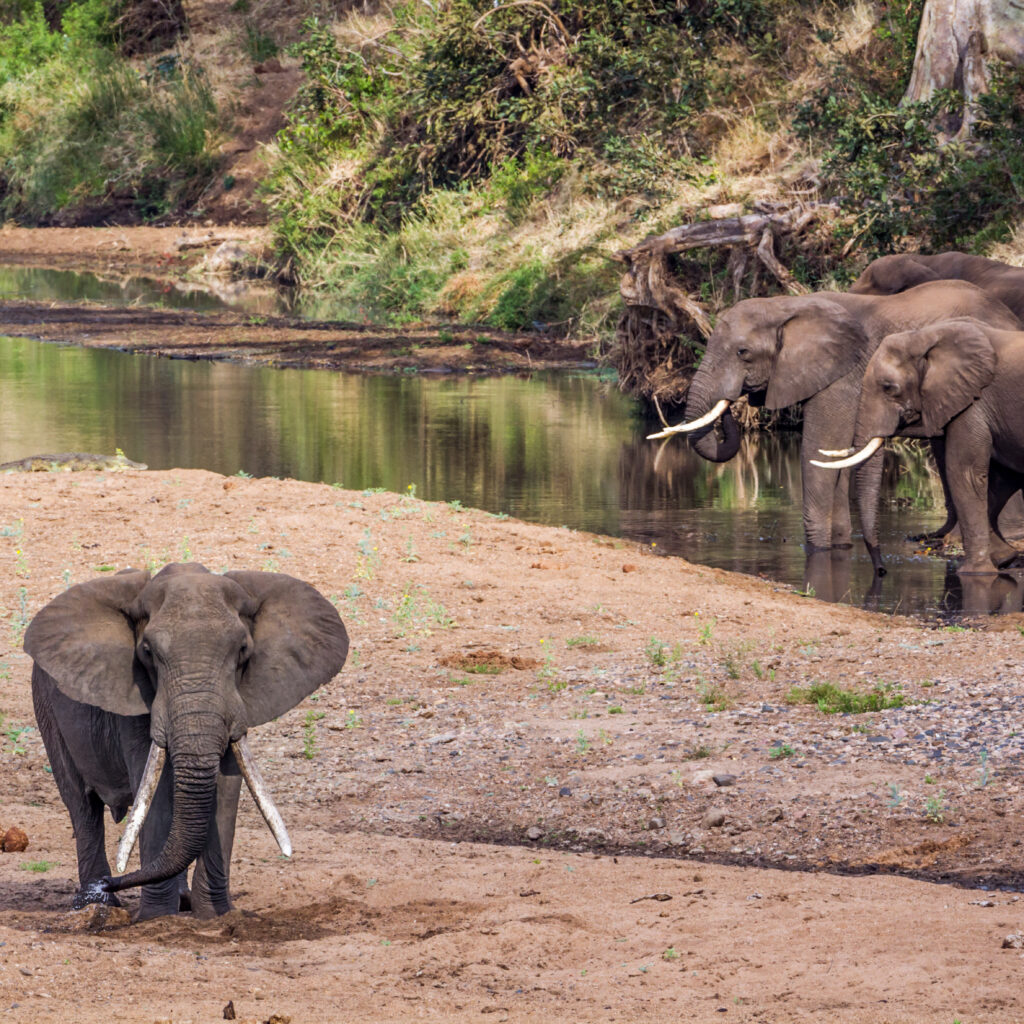
Elephants at a Kruger waterhole — a quintessential South Africa safari moment. Suggested free-stock search: “Kruger elephants waterhole”.
Why South Africa Is the World’s Most Versatile Safari
Most safari countries do one thing brilliantly. South Africa does several. In a single ten-day trip you can track the Big Five in the morning, sip wine in a 300-year-old cellar a few days later, and finish watching the sun set over two oceans at the Cape of Good Hope. The infrastructure is excellent, the road network is good, and English is widely spoken, which makes it one of the most accessible long-haul destinations for first-time and seasoned travelers alike.
Crucially, you do not have to compromise on the wildlife to get all that extra variety. The reserves around Kruger rank among the finest Big Five territory anywhere on the continent.
Actionable tip: Think of a South Africa trip in two halves — “bush” and “beyond.” Dedicate three or four nights to a safari lodge, then use the rest of your time for Cape Town, the Winelands, and the Garden Route. The DV Holidays South Africa Highlights package is built around exactly this rhythm.
Kruger and the Private Reserves: Big Five Central
Kruger National Park is the heart of South African safari. Roughly the size of a small country, it is home to all of the Big Five — lion, leopard, elephant, buffalo, and rhino — along with cheetah, wild dog, and more than 500 bird species. You can self-drive the public park, but the magic really happens in the private reserves that border it, where there are no fences between the ecosystems.
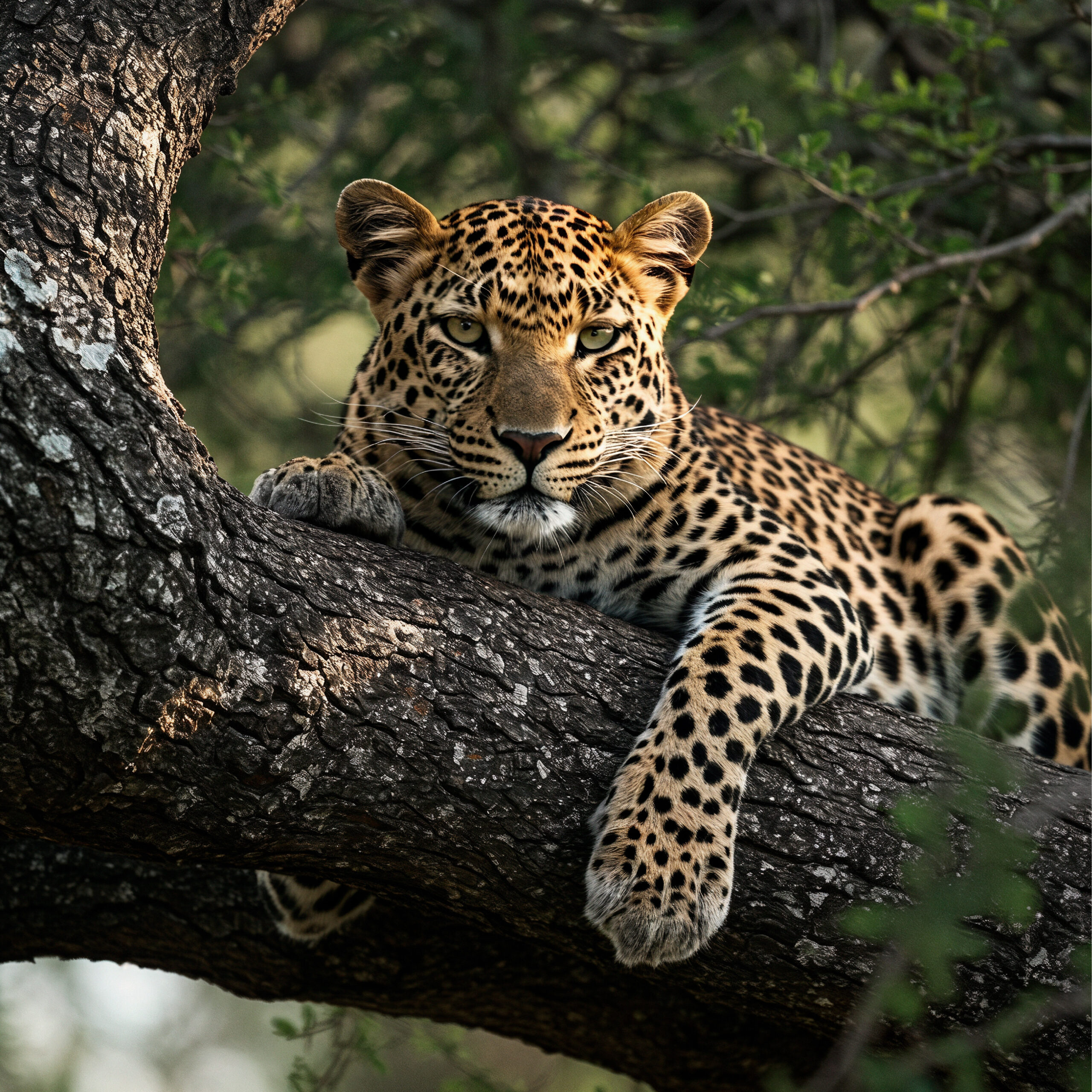
In these private concessions, expert guides take you off-road in open vehicles to follow a leopard or track a lion pride at close range — something that is not permitted in the main public park. The result is consistently spectacular sightings with very few other vehicles around.
Actionable tip: For the best big-cat encounters, prioritise a private reserve over the public park for at least part of your stay. The off-road access and lower vehicle density are worth every penny, and many lodges include twice-daily guided drives in the rate.
A Big Bonus: Malaria-Free Safari Options
One of South Africa’s underrated advantages is that it offers excellent malaria-free safari regions — a genuine relief for families with young children and anyone who would rather not take antimalarial medication. Reserves in the Eastern Cape and the Waterberg deliver Big Five game viewing without the malaria risk that comes with many other African destinations.
Actionable tip: Traveling with kids or simply prefer peace of mind? Ask specifically for a malaria-free reserve. You still get the Big Five and the open-vehicle drives, and several of these lodges are designed with families in mind, including child-friendly activities and flexible drive times.
This makes South Africa one of the most family-friendly safari choices on the planet, and it is a key reason it appears so often in the DV Holidays South African Experiences itinerary.
Leopards are a highlight of the private reserves bordering Kruger. Suggested free-stock search: “leopard in tree South Africa”.
Cape Town: The City That Has It All
If there is a more beautiful city setting than Cape Town, it is hard to name. Hemmed between the flat summit of Table Mountain and the Atlantic, the city blends mountain, ocean, history, and a buzzing food and design scene. Ride the cableway to the top of Table Mountain, visit the colourful Bo-Kaap quarter, take the ferry to Robben Island, and drive out to the Cape of Good Hope where two great currents meet.
Actionable tip: Climb (or ride) Table Mountain on your first clear morning, not your last. The summit closes in high winds and cloud — locals call the cloud cover the “tablecloth” — so seizing the first good-weather window means you will not miss the city’s signature view.
The Winelands and the Garden Route
Just an hour from Cape Town, the Cape Winelands around Stellenbosch and Franschhoek serve up Cape Dutch architecture, oak-lined avenues, and some of the best-value fine wine and dining in the world. It is the perfect, gentle counterpoint to the early starts of safari.
Further east, the Garden Route traces a stunning stretch of coastline through forests, lagoons, and dramatic cliffs — ideal for whale watching in season, ocean drives, and laid-back seaside towns.
Actionable tip: Build in at least one full day in the Winelands with a designated driver or a guided tour so everyone can taste freely. If whales are on your wish list, time the Garden Route for roughly June to November, when southern right whales gather close to shore around Hermanus.
When to Go: Timing Your South Africa Safari
South Africa is a true year-round destination, but the seasons shape the experience. The dry winter months, May to September, are prime safari time: sparse vegetation and animals concentrating at water sources make game easier to spot, and there is no malaria-season rain in the bush. Bonus — this is whale season on the coast.
The summer months, November to March, bring lush green landscapes, baby animals, and superb birding, plus warm beach weather in Cape Town. Note that Cape Town’s peak season is summer, so book coastal stays early for that window.
Actionable tip: For the best of both worlds, target the shoulder months of May, September, or October. You get strong dry-season game viewing in the bush and pleasant, less-crowded conditions on the coast — the ideal recipe for a combined bush-and-beach itinerary.
Making It Seamless: How to Combine It All
The biggest planning challenge in South Africa is not what to do — it is fitting it together logically. Domestic flights link Johannesburg, the Kruger gateways, and Cape Town efficiently, so you can move between regions without losing days to long drives.
Actionable tip: A classic, well-paced route is to start with safari near Kruger (fly in via Johannesburg), then fly to Cape Town for the city, the Winelands, and the Cape Peninsula, optionally adding the Garden Route by road. Letting a specialist sequence the internal flights and transfers keeps the whole trip stress-free.
DV Holidays designs these combined journeys end to end, balancing the bush and the coast so the pacing feels effortless rather than rushed.
Food, Wine and the South African Table
South Africa is a genuine food-and-wine destination in its own right, and it adds a delicious thread to any safari. The country’s wines — from crisp Chenin Blanc to the homegrown Pinotage — rank among the best value in the world, and the historic estates of the Cape Winelands pair them with exceptional farm-to-table dining in spectacular settings.
Out in the bush, dinner is an event of its own. Many lodges serve a traditional braai (barbecue) or host a boma dinner around an open fire under the stars, swapping stories about the day’s sightings. In Cape Town, a diverse, multicultural food scene reflects the country’s history, from Cape Malay curries to fresh seafood off the Atlantic.
Actionable tip: Build a relaxed Winelands lunch into your itinerary — several estates combine a cellar tour, tasting, and a long lunch in one unforgettable afternoon. And at your safari lodge, ask about a bush dinner; eating under the African night sky is a memory that lingers long after you get home.
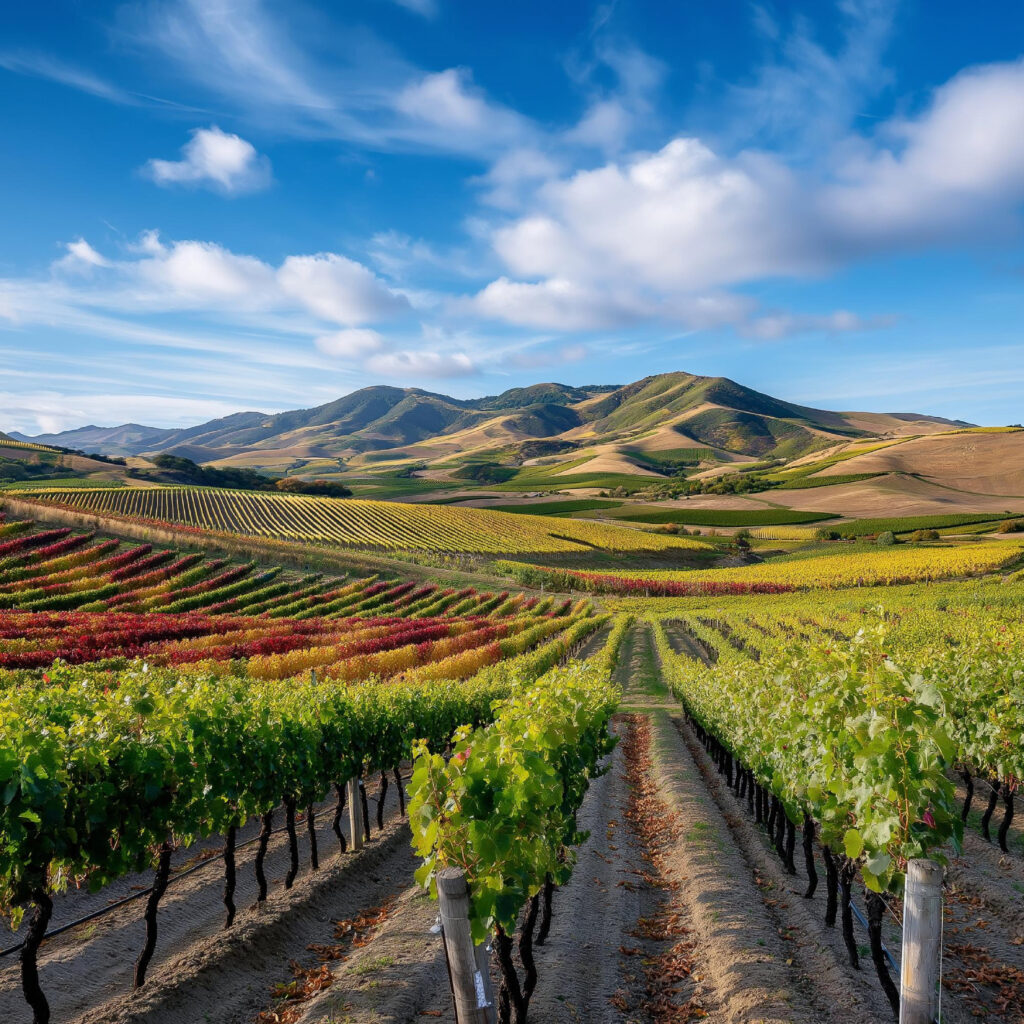
The Cape Winelands — world-class wine an hour from Cape Town. Suggested free-stock search: “Stellenbosch winelands vineyard”.
Beyond the Big Five: Whales, Penguins and Marine Life
South Africa’s wildlife does not stop at the bush. The coastline offers a whole second safari, this one marine. Between roughly June and November, southern right whales migrate to the sheltered bays of the Western Cape, and the town of Hermanus is regarded as one of the best places on earth for land-based whale watching — you can sometimes spot them from a clifftop cafe. Just outside Cape Town, a colony of African penguins waddles across the beaches at Boulders, delighting visitors of all ages.
For the truly adventurous, the coast also offers shark-cage diving and seasonal sardine-run spectacles that draw dolphins, sharks, and seabirds into a feeding frenzy along the eastern shores.
Actionable tip: If you are visiting in whale season, build a day trip to Hermanus or a coastal drive into your Cape Town stay — it is an easy, family-friendly add-on that turns one wildlife trip into two. Bring binoculars and a long lens, and check local sighting reports, which are often updated daily during the season.
The Final Word: One Country, Many Holidays
A South Africa safari rewards you twice over. You get the raw thrill of tracking the Big Five through wild bushveld, and then the polish of one of the world’s great cities, its wine country, and its spectacular coastline — all without leaving a single country.
The takeaways: split your time between the bush and “beyond,” choose a private reserve for the best wildlife, consider a malaria-free region if you are traveling with family, and aim for a shoulder month to enjoy both worlds at their best.
Ready to see the best of South Africa?
Discover the South Africa Highlights and South African Experiences packages at dvholidays.com, or email reservations@dvholidays.com and we will tailor the perfect bush-and-coast itinerary for you.